
Meet Svetlana Nestorova
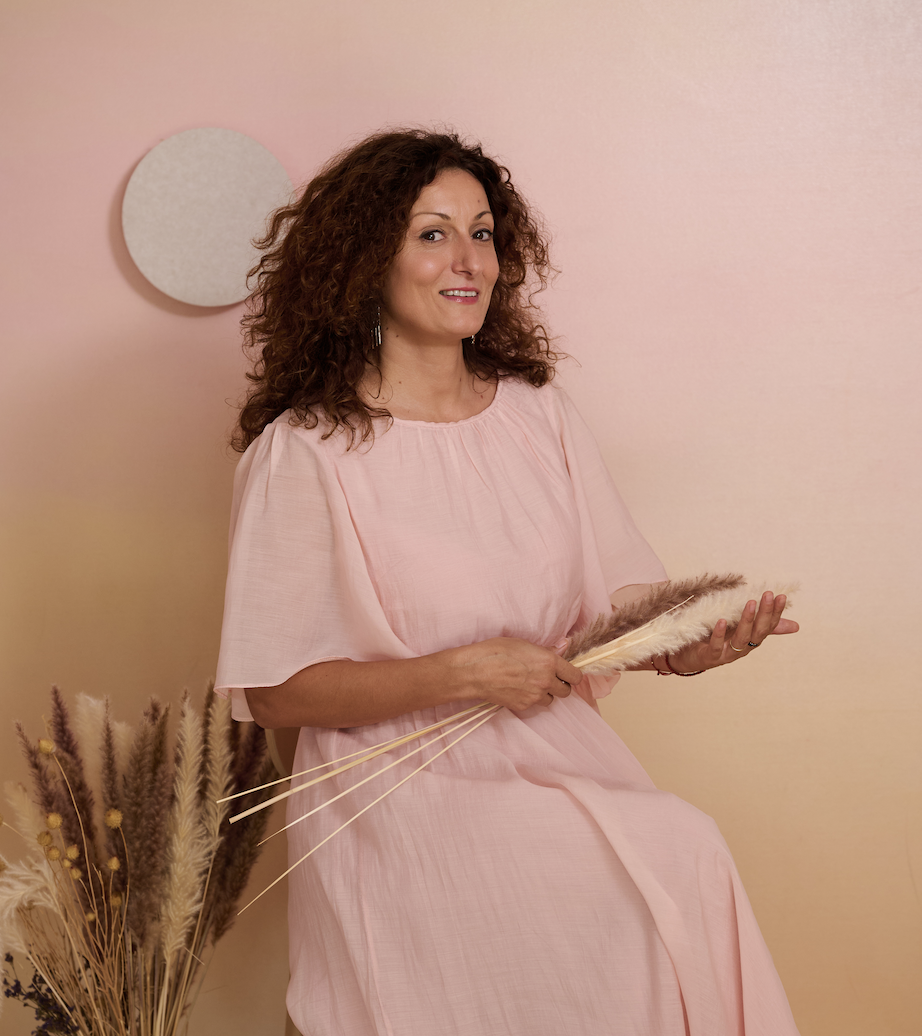
Interviewer: Let’s start with a general introduction.
Svetlana Nestorova: First, I can say that my interest in pedagogy began with an interest in psychology, back when I was a child. I felt that I was here to help, not in a heroic way, but simply through my presence. To be someone who sees and hears others. My friends often joked that I was “Mother Teresa” because I was always the one who looked after people, who sensed when someone needed help, sometimes even before they realised it themselves.
Actually, I never imagined I would become a teacher. To be honest, I was more inclined to avoid that thought. There was something about the way we were taught as children that seemed too rigid, too grey. I knew things could be different. When I graduated in psychology and went on to pursue a master’s degree in social psychology in Veliko Tarnovo, I began searching for that something “different”. That was when I met Professor Yonkova. She was the first person to tell me, “You were born to be a true teacher.”
I: So you didn’t want to become a teacher not because you didn’t believe in the profession, but because of the way you had seen education being practised?
S: Exactly. It wasn’t that I didn’t want to teach; I simply felt that something needed to be done differently. Around 2012, I started reading Daniel Goleman and discovered the importance of emotional intelligence. I realised it was much more than a theory; it was a genuine path towards understanding people. The subject resonated with me so deeply that I chose it for my thesis, Emotional Intelligence and Its Relationship with Aggression. It mattered to me because I knew people who were exceptionally intelligent by conventional standards, with strong logical and analytical skills, yet who also displayed intense inner aggression. I wanted to understand why this happened. Through my research, I began to see clearly that academic knowledge alone is not enough if you haven’t learned to recognise and manage your own emotions.
I: So that was more or less the turning point that led you towards teaching?
S: Yes. I began to feel that I wanted to work with children and accompany them through this important process of growing up and developing as individuals. I started asking myself: how can we create an environment where we don’t simply teach lessons, but learn how to embrace life itself?
Children are alert, sensitive and open. Sometimes, even we adults aren’t ready for them. They come into the world with extraordinary intuition and a much finer sensitivity than the school system allows for. I wanted to be someone who meets them exactly where they are. I believe that when a child feels seen, understood and accepted, learning becomes possible. That is when transformation happens, too. But trust has to come first.
I: And what role do parents play in this process? Sometimes it seems that a child takes a step forward, but the environment around them isn’t ready to support them.
S: That’s very well put. If there is no alignment between teachers and parents, no trust, no partnership, the child senses it. Children sense everything. And when that happens, they lose their sense of support. Here, we do everything we can to build that trust. Rather than taking the position that “we know best and you don’t”, we try to stand alongside parents. To talk, look for solutions together and lead by example. When parents see that we treat their child with respect, listen to them and believe in them, they can begin to see their child differently, too. And something beautiful happens: change begins not only in the child, but throughout the family dynamic.
I: It sounds as though school is no longer simply a place of learning, but a space where relationships are built.
S: Exactly. A space where we all grow, children, teachers and parents alike. A space where mistakes are not punished, but become opportunities for conversation and learning. A space where we talk not only about knowledge, but also about how we communicate with one another and how we engage with the world.
The most rewarding moments are when you see a child who was withdrawn, frightened or angry begin to relax, laugh, participate, ask questions, explore, want to do things and discover what they are capable of. These are small but powerful signs that we are on the right track.
I: What does this work bring you personally?
S: A deep sense of fulfilment. Truly. And no matter how demanding things can get, even when it’s difficult, I leave school feeling that I am where I belong. That what I do matters. Every child here is like a world of their own, one you have the chance to discover if you approach them with care and patience.
My dream is for children to know that they have the right to ask questions, make mistakes and feel whatever they feel. That they don’t have to be “perfect” to be loved or valued. That they can grow in peace, at their own pace. If I can contribute, even a little, to giving a child that sense of security, then it has all been worth it.
I: What does the rhythm of a day and a week look like in your group?
S: In Waldorf education, there is a daily, weekly and yearly rhythm. The week is organised around recurring creative activities. In our group, for example, we work with watercolours at the beginning of the week, then move on to activities involving wool and natural materials. We work with beeswax, knead bread, and towards the end of the week we clean and tidy up. Each activity develops different senses and gives children the opportunity to explore the world through direct experience.
Repetition creates predictability. Children gradually learn what comes next and feel more at ease. Rhythm doesn’t mean that everything happens mechanically or that every day must be the same. It provides a point of reference they can return to, helping them navigate everyday life more easily.
I: What do you think is sometimes missing from more traditional approaches to education?
S: For me, it is important to have a deeper understanding of the psychological processes underlying a child’s behaviour. It’s not enough to know what we do; we also need to understand why we do it, what impact it has on the child and how they experience the situation. Otherwise, we risk overlooking something essential. Children often try not to cause problems for adults, even when something is troubling them. That is why we need to give them space to express their feelings and take those feelings seriously.
I: Every child needs individual attention. How do you maintain that connection with all the children in your group?
S: We start by observing and getting to know each child. We develop an adaptation plan and discuss what might cause them stress or difficulties. This is a team effort. It is important for teachers to share a common approach and communicate with one another, so that the child encounters consistency rather than different, contradictory reactions.
We monitor each child’s development and adjust our approach when necessary. When we see progress, we continue; if something isn’t working, we discuss what needs to change. We also work with parents because consistency between school and home matters. If completely different principles are followed at home and in kindergarten, the child can become confused.
For me, however, the first priority is not for a child to acquire as much knowledge as possible, but to build relationships with others. To learn to wait their turn, share, show respect and take the person beside them into consideration. When these foundations are in place, learning comes more easily, too. It is important to support the development of the whole person rather than focus exclusively on academic results.
I: It seems that this work also requires a great deal of emotional commitment. How does a teacher carry so many stories and experiences with them?
S: Seeing the results of your work gives you energy and reminds you why you are there. A child doesn’t need to remember you for the rest of their life or know exactly what you did for them. What matters is that you know what you have left with them and can walk away with a clear conscience.
Over time, I realised something else, too: I cannot walk another person’s path for them. I can be there for them, support them and help them find their direction, but sometimes I have to give them the space to work through their own sadness or difficulties. The same applies to our relationships with adults. Not every experience needs someone to fix it; sometimes, a person simply needs to go through it.
Interviewer: If you could offer one piece of advice to parents considering this approach for their child, what would it be?
Svetlana: I wouldn’t want to convince anyone of something they don’t believe in themselves. When parents seek information and ask questions, we can talk, share our observations and look for solutions together. But trust is fundamental. If parents don’t trust the teachers or the process, it is difficult for us to work as partners.
That doesn’t mean parents should ignore their concerns. When a child tells them about something that upset them, it is important not to dismiss their experience by saying, “Nothing happened.” It is better to talk, explore what lies behind that feeling and, if necessary, discuss the situation with the teachers. Every child experiences things in their own way, which is precisely why an individual approach matters so much.
I believe that when there is trust between the child, the parent and the teacher, we can support the development of a more confident individual. Rhythm, songs, rhymes and stories provide a sense of security without requiring children to be constantly tested or pushed to prove what they know. They absorb many things naturally through repetition and participation.
Most importantly, they should preserve their inner impulse towards the world: the desire to explore, ask questions and discover things for themselves. At the beginning, we lay the foundations for a child’s psyche, nervous system and relationships with others. When a child has that foundation of support, it becomes easier for them to develop confidence and independence. For me, that is the essence of our work.